

A Historic Conservation Win
The Magalloway Lands & Waters Project
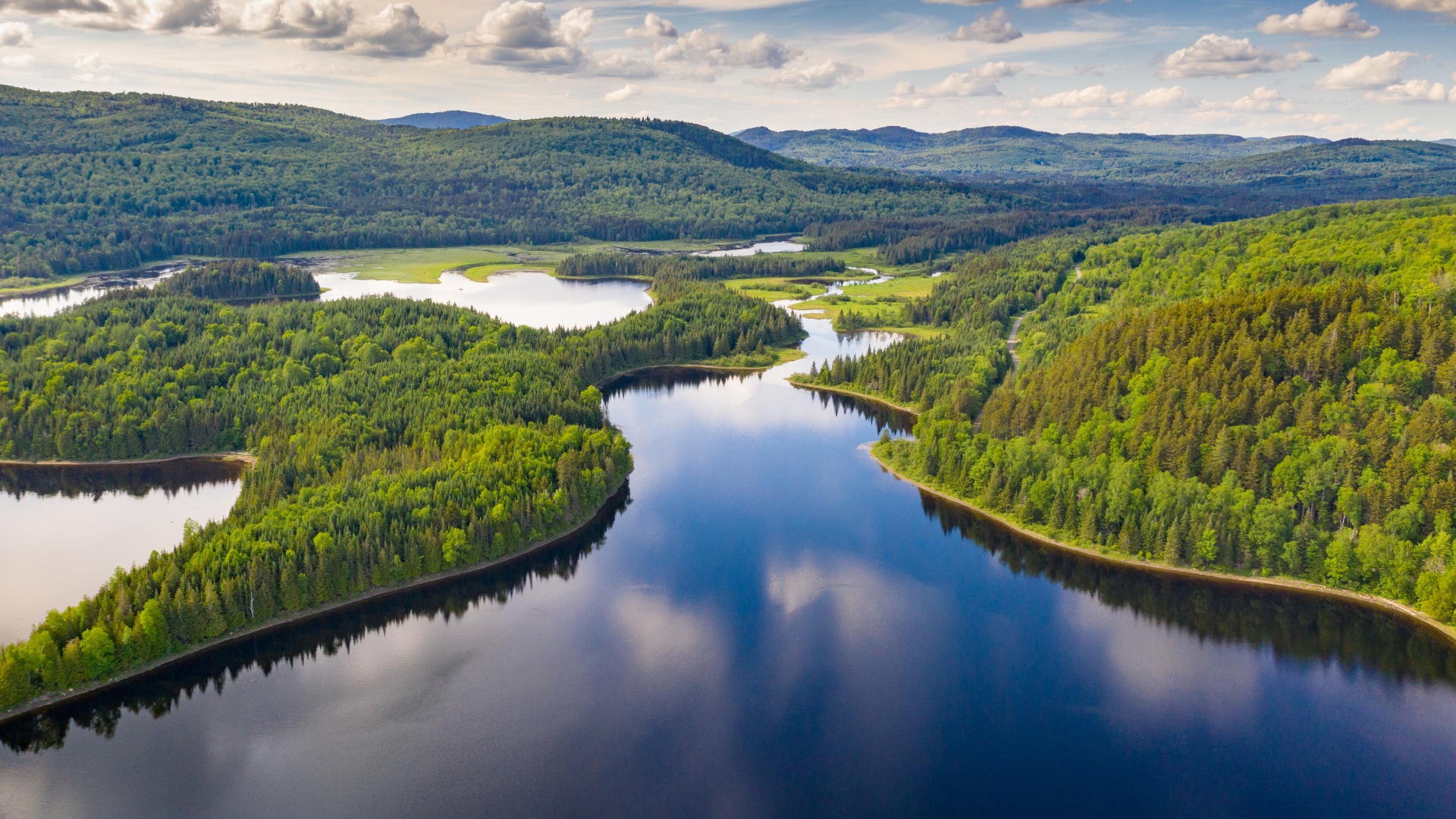
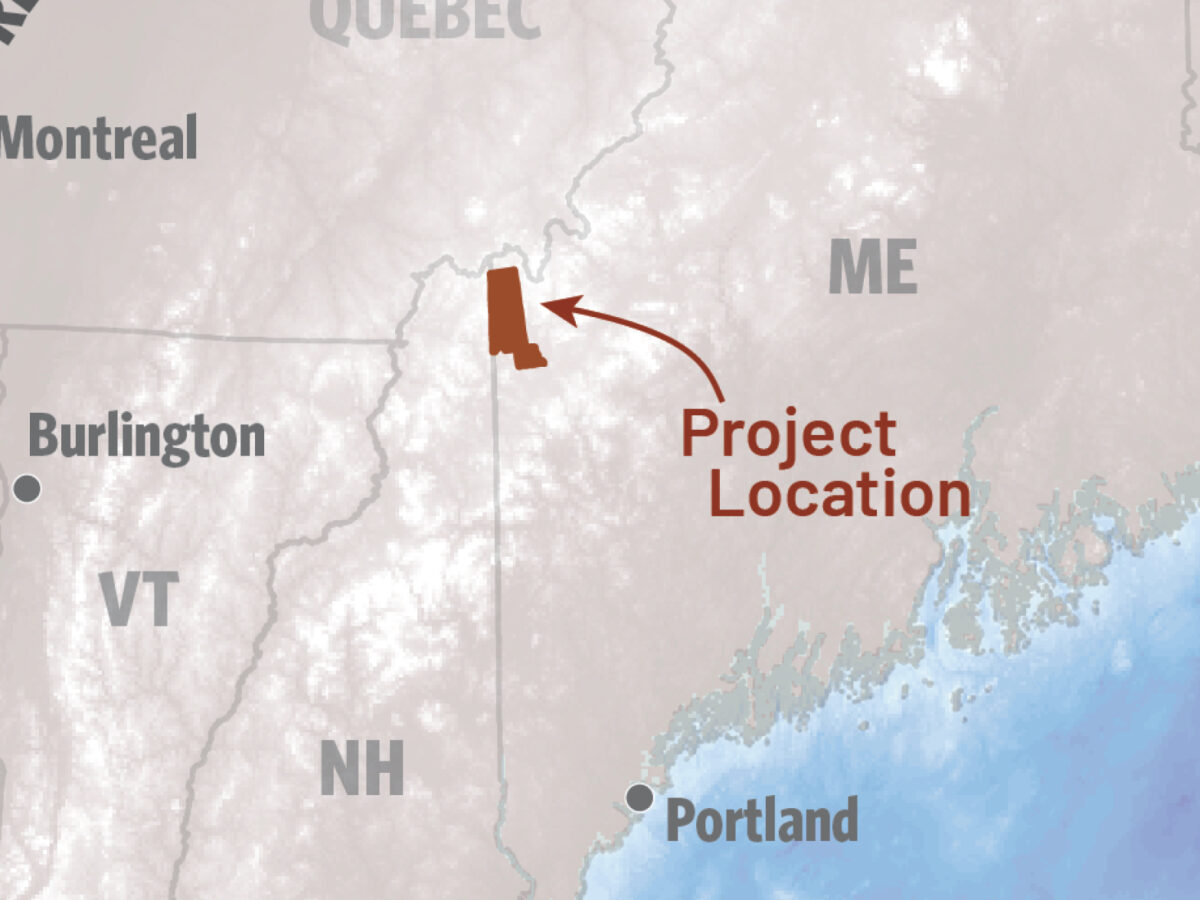
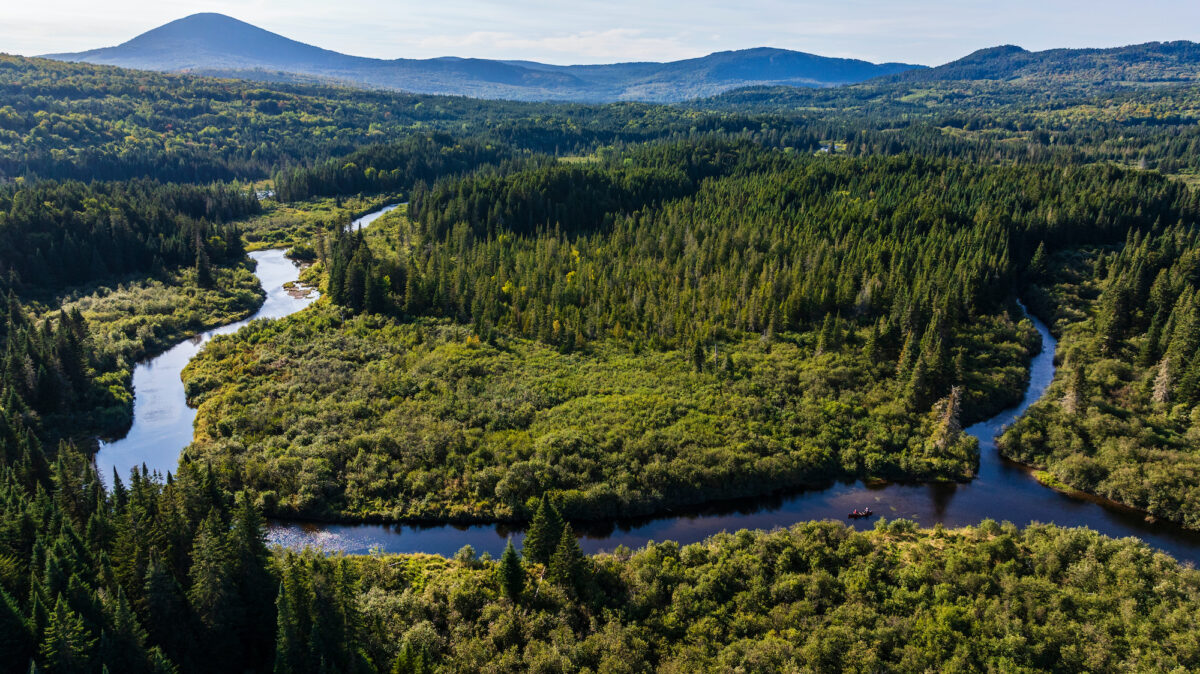
In the heart of the Northern Appalachians, along the Maine–New Hampshire border, lies one of the Northeast’s most remarkable landscapes—a place where cold, clear rivers flow from ancient mountains, expansive forests stretch beyond the horizon, and people and wildlife have thrived for millennia.
With the generous support of people like you, who recognize the irreplaceable value of this landscape, four organizations have successfully conserved more than 78,000 acres in the Magalloway region, protecting cold, clean headwaters, wildlife habitat, public access, sustainable working forests, and a landscape that defines western Maine. This historic achievement connects more than half a million acres of contiguous conserved lands, ensuring this extraordinary place will endure for generations to come.
To everyone who helped make this once-in-a-generation conservation achievement possible: thank you. This landscape is forever conserved because of you.
The Partnership Behind This Project
The Magalloway Lands & Waters Project was made possible through an extraordinary partnership among four conservation organizations known collectively as The Magalloway Collaborative. Together, they brought unique expertise, conservation planning, and a shared commitment to permanently protecting this remarkable landscape for the benefit of people and nature.
Rangeley Lakes Heritage Trust (RLHT)
Based in Rangeley, RLHT conserves, restores, and stewards the lands and waters of western Maine’s Rangeley Lakes Region. Within the Magalloway landscape, RLHT owns and manages 4,400 acres of islands, key river corridors, and recreation lands while leading ongoing habitat restoration and stewardship efforts.
Forest Society of Maine (FSM)
One of Maine’s leading forest conservation organizations, Forest Society of Maine holds a 62,500-acre conservation easement across the property, ensuring the land will sustain the regional forest economy. The easement permanently restricts future development, creates substantial forested buffers along rivers and high-priority brook trout streams, supports sustainable forest management, and ensures continued public access for hunting, fishing, boating, and other traditional recreational and cultural uses.
Northeast Wilderness Trust (NEWT)
Northeast Wilderness Trust conserves forever-wild landscapes for Nature and people and has permanently protected more than 115,000 acres in the Northeast. The new Magalloway Wilderness Preserve protects more than 11,200 acres as wilderness in the remote headwaters of the Magalloway River and the upland forests of Ledge Ridge and Rump Mountain. This new wilderness preserve is open to the public and expands a network of adjacent protected lands in New Hampshire’s Connecticut Lakes Region, ensuring this part of the forest will remain forever wild.
The Nature Conservancy in Maine (TNC)
With a decades-long track record of successful conservation throughout Maine, TNC led the dialogue with the landowner to produce an option agreement that ultimately led to the conservation of the Magalloway lands and waters. The Magalloway is central to TNC’s conservation work in the Appalachian range—an essential part of an effort to preserve one of the most climate-resilient, biologically diverse, and carbon-rich landscapes in the world.


Why This Project Matters
The Magalloway Lands & Waters Project completes a critical link in one of the largest connected conservation landscapes in the Northern Appalachians. Together with neighboring conserved lands in Maine, New Hampshire, and Québec, it creates an uninterrupted corridor of more than half a million acres of conserved lands.
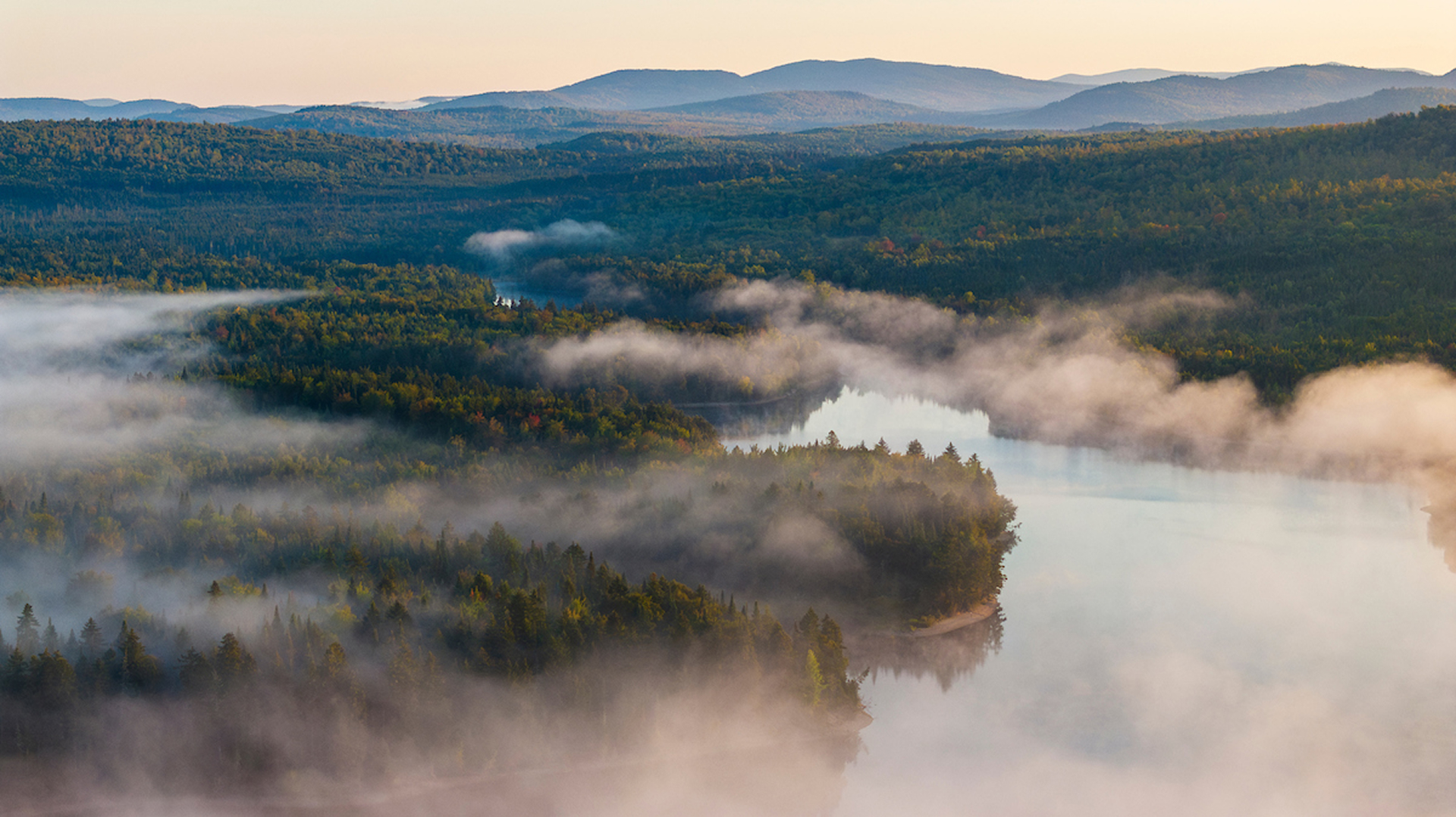
This globally important landscape is one of the most climate-resilient, biologically diverse, carbon-rich landscapes in the world. It contains one of North America’s largest remaining mixed-temperate forests, connected rivers, forests, and mountains that provide clean water, support abundant fish and wildlife, sustain a working forest economy, and create the space that wildlife needs to move and adapt in a changing climate.
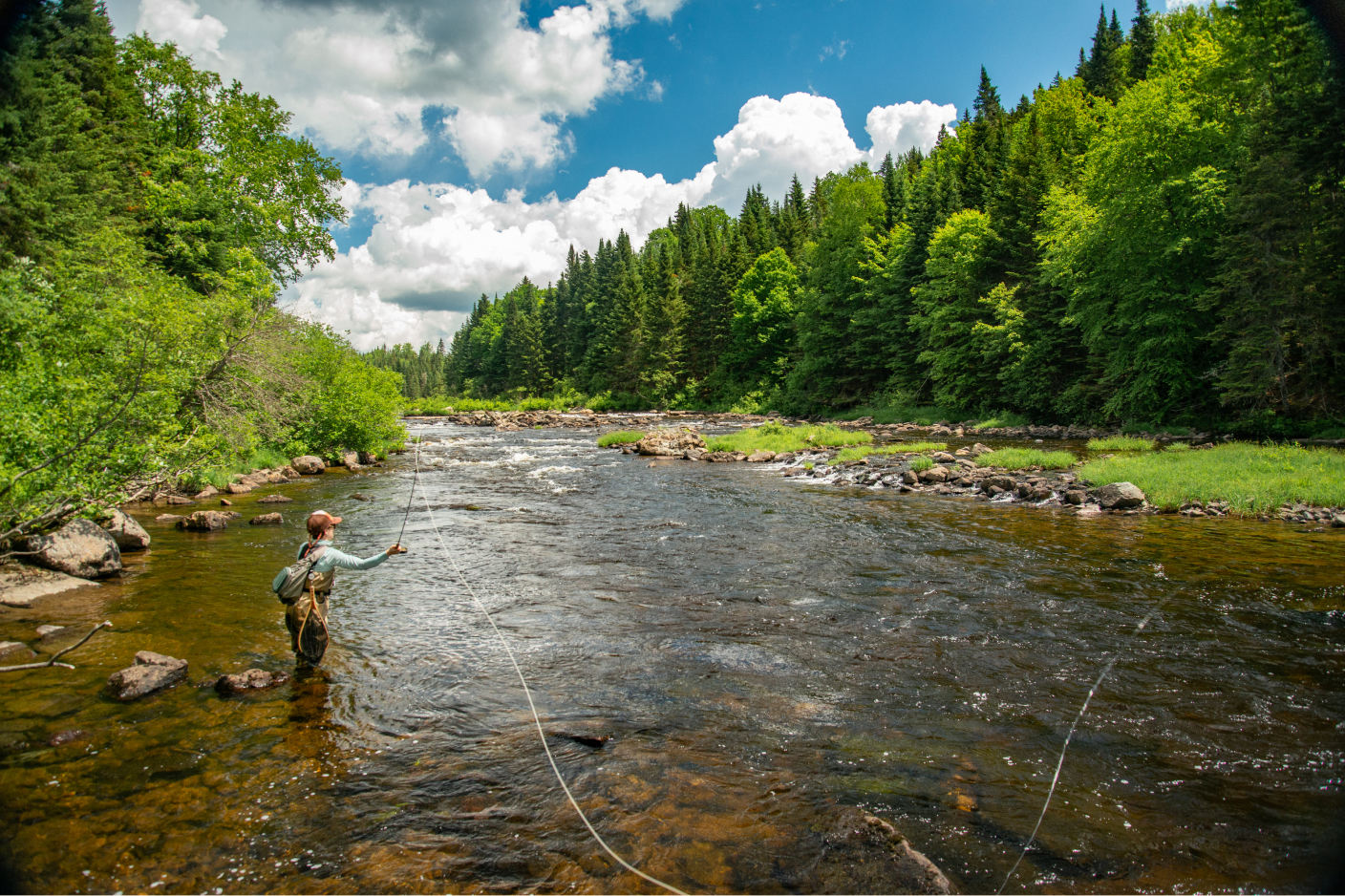
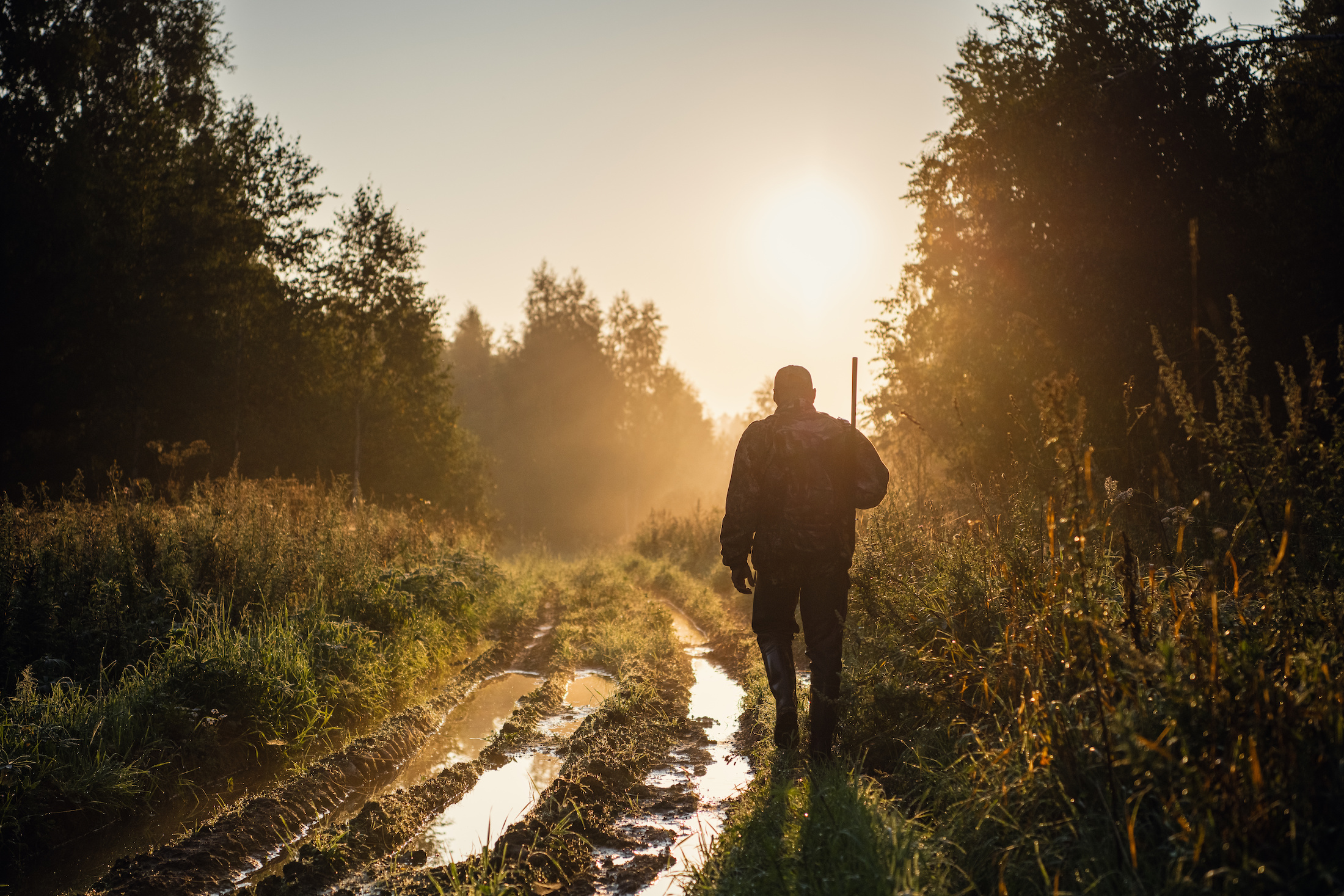
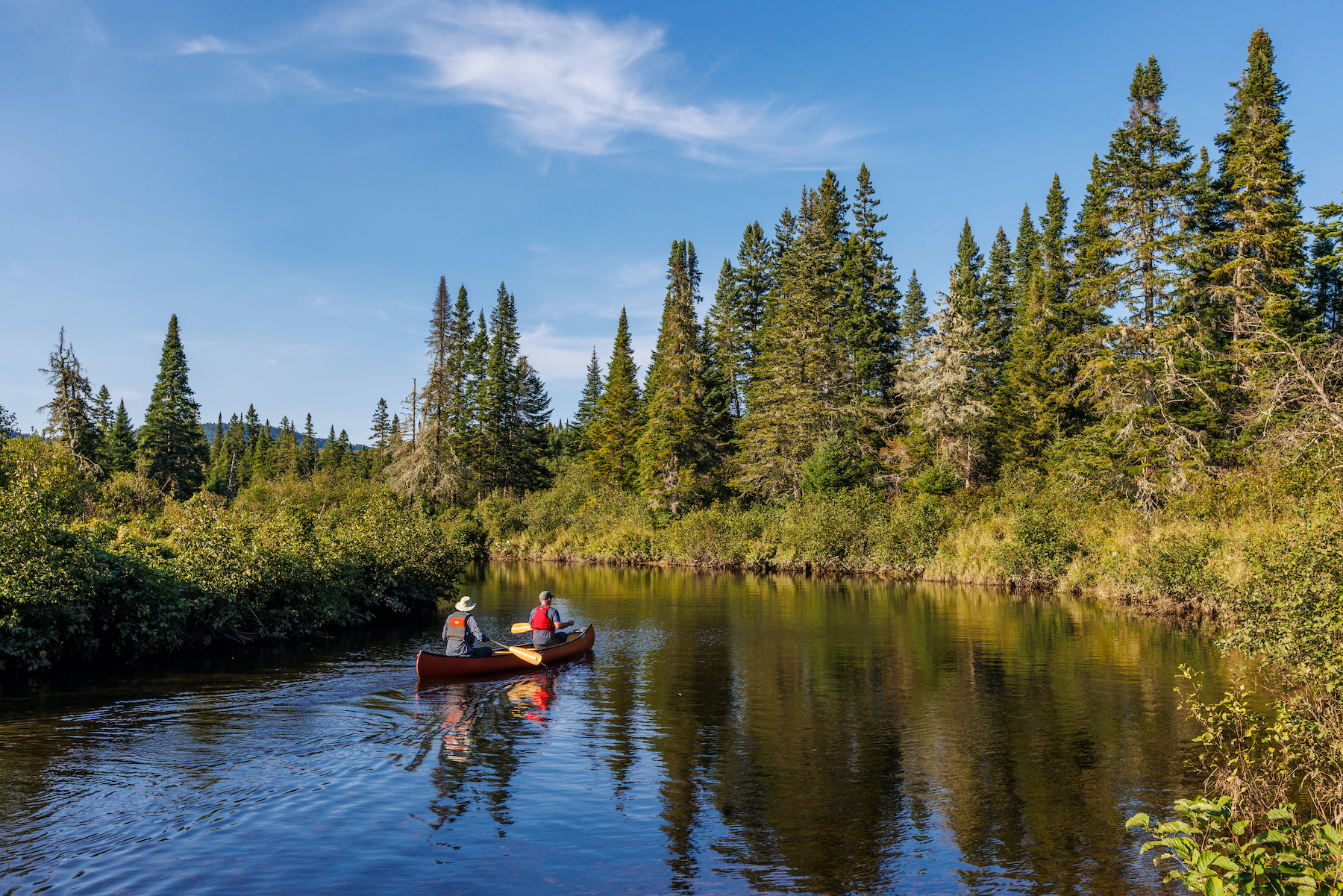
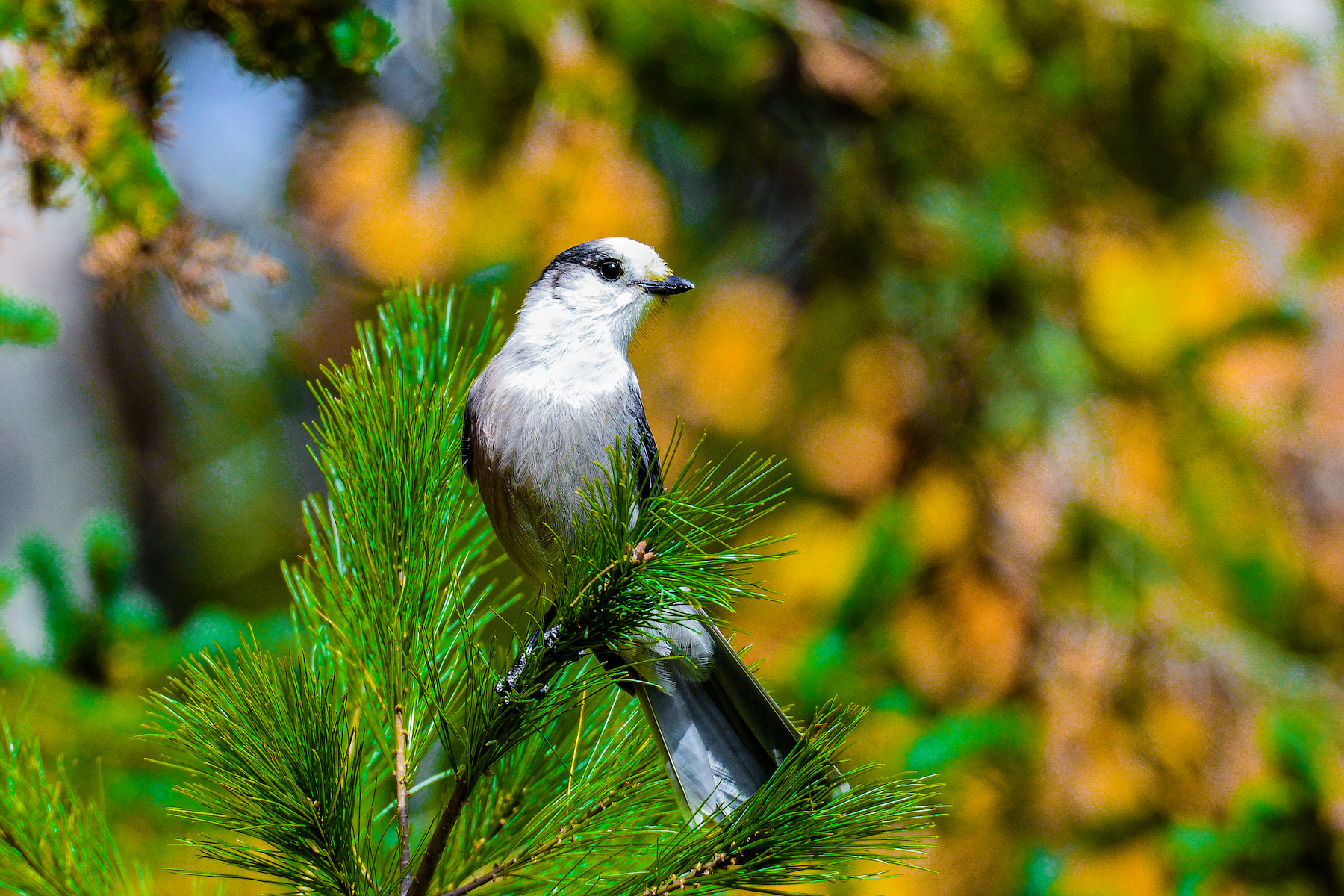
The Magalloway project ensures that future generations can enjoy paddling, hunting, and fishing in this special place. As a guide and business owner, access to wild places like the Magalloway is essential to our outdoor economy and the way of life that makes the Rangeley region so special.

Seth Laliberte
Rangeley resident, co-owner of Rangeley Adventure Co & Registered Maine Guide
Maine DEP supports the conservation of undeveloped lands for water quality protection and carbon sequestration. These are important strategies to maintain ecological health, protect one of Maine’s most important economic resources, and mitigate the effects of greenhouse gas emissions. The Magalloway Project will also help Maine meet its climate action goals while continuing to support sustainable utilization of wood products.
Melanie Loyzim
Commissioner, Maine DEP
At Sportsman’s Alliance of Maine (SAM) we care deeply about conserving the longstanding relationship Mainers have with the land, waters, and wildlife of our state. Public access to hunt, hike, fish, and otherwise enjoy the outdoors is increasingly under threat and this project will help permanently protect a key large parcel of land. We support efforts to preserve public access like the Magalloway project.
David Trahan
Executive Director, Sportsman’s Alliance of Maine
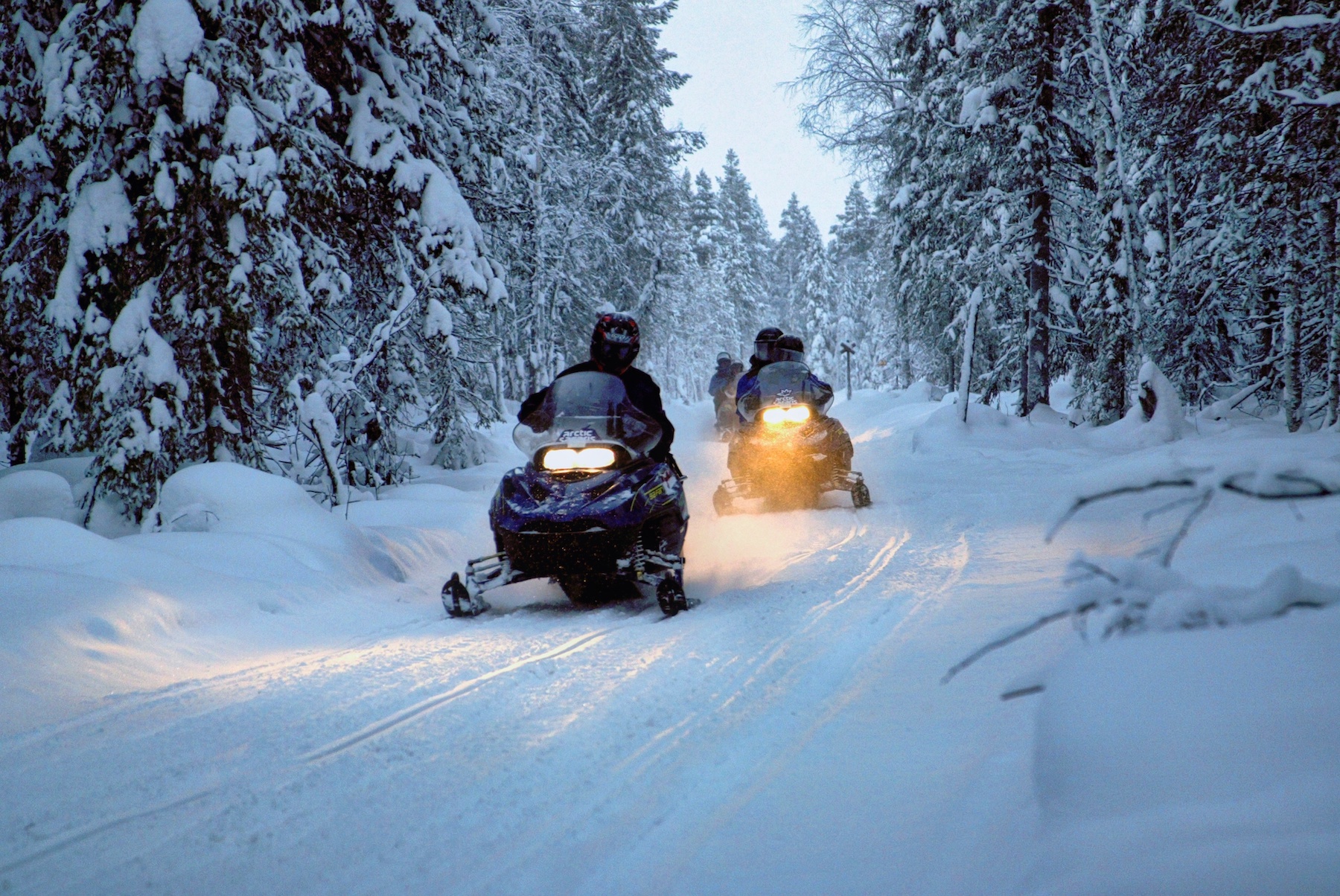
Rangeley Lakes Snowmobile Club is proud to support The Magalloway Project. This project will preserve a main section of ITS-84 that connects the Rangeley Lakes Region to New Hampshire. Maine’s snowmobile industry relies on landowner cooperation and this project ensures that this corridor will remain open in perpetuity. As one of the region’s largest economic drivers, snowmobiling is an important part of our outdoor economy and it allows more folks to access our beautiful western Maine mountains.
Jon Lewis
Trail Master, Rangeley Lakes Snowmobile Club
The Magalloway region possesses prime wildlife habitat. Conserving these lands will safeguard wildlife from increasing environmental threats, connect them to other conserved lands, and allow for sustainable recreational traditions such as hunting and fishing to continue.

Judy Camuso
Former Commissioner, Maine Department of Inland Fisheries and Wildlife
The Magalloway Project will be extremely beneficial to the land and waters of the area and its wildlife inhabitants, as well as to guides like myself who bring hundreds of clients to Maine’s beautiful world-class rivers, like the Magalloway.
Vic Medina
Registered Maine Guide
#conservemagalloway
Follow the journey of this historic conservation win by searching and using #conservemagalloway on social media.
Follow Us