Magalloway Collaborative Project Featured on Outdoor Adventure Show—Explore New England
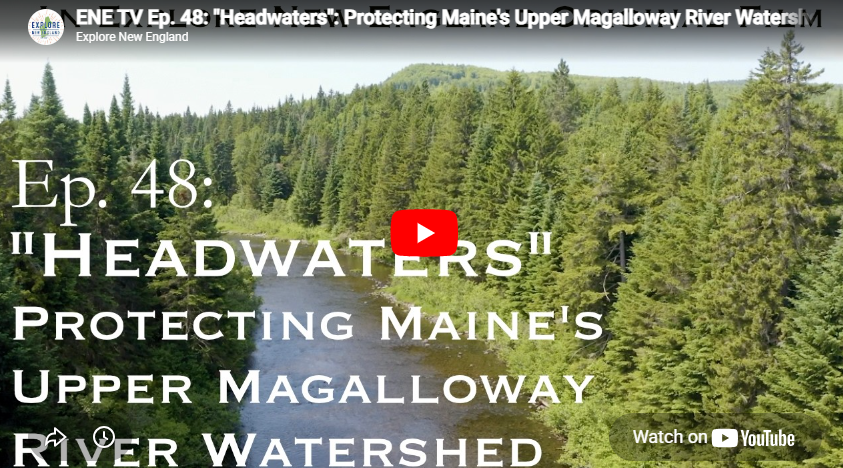
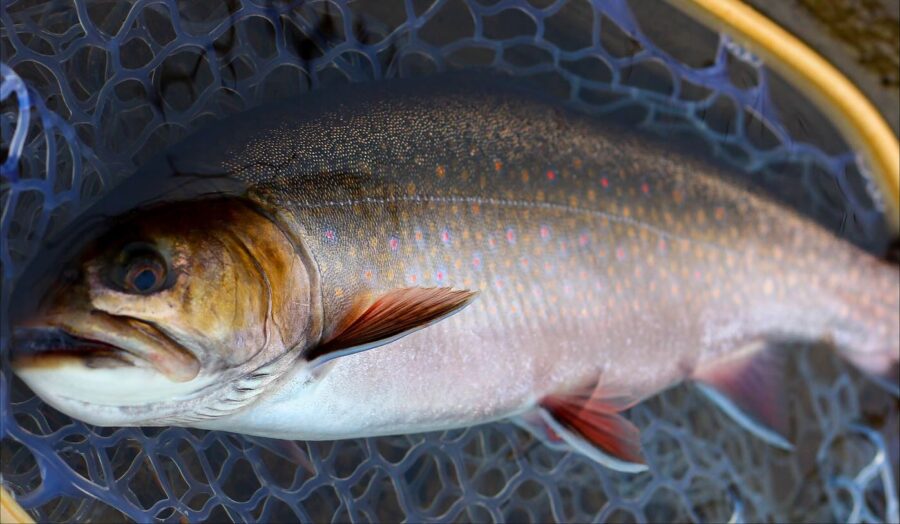
Watch Explore New England TV’s Ep. 48: Headwaters: Protecting Maine’s Upper Magalloway River Watershed. Produced and narrated by Tom Richardson, this episode examines the Magalloway Collaborative Project, a partnership of four conservation organizations seeking to conserve some 78,000 acres surrounding the Magalloway River in western Maine. From fishing on the lower Magalloway to hiking in the remote northern corner of the project area, the episode covers recreational access and each partner’s role in the larger conservation effort.
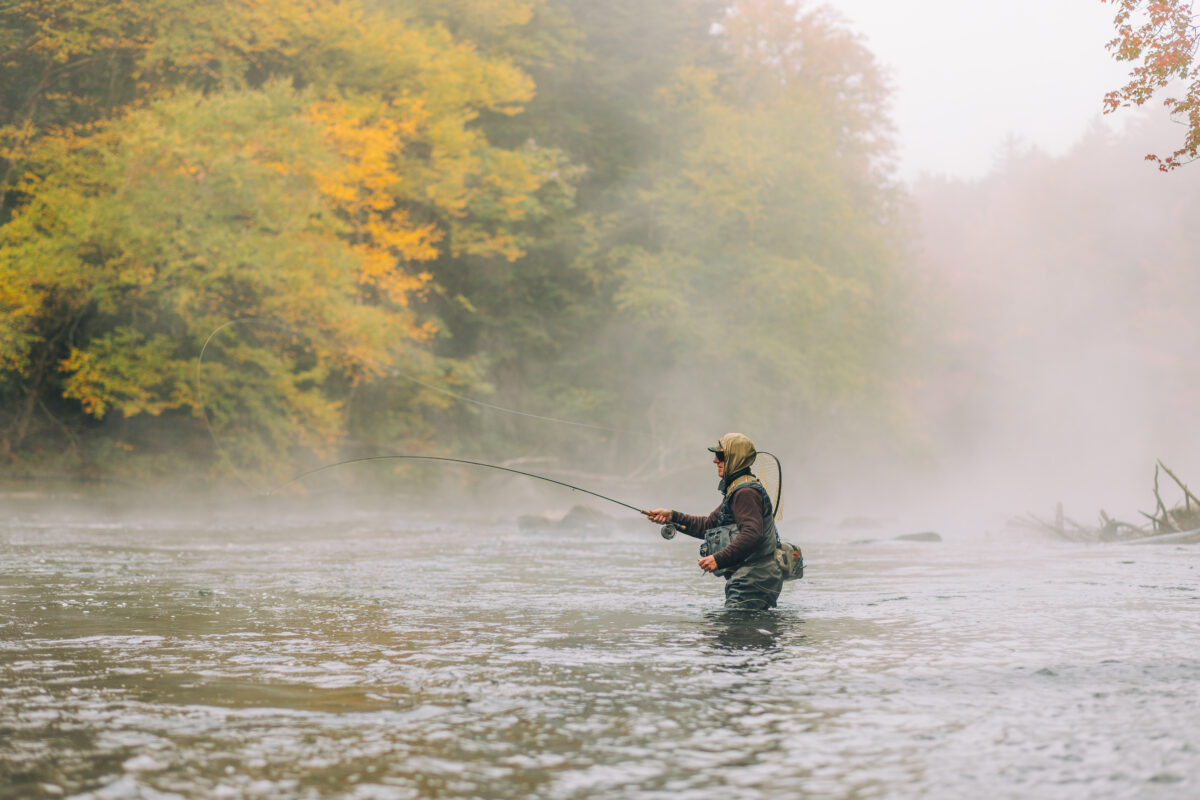
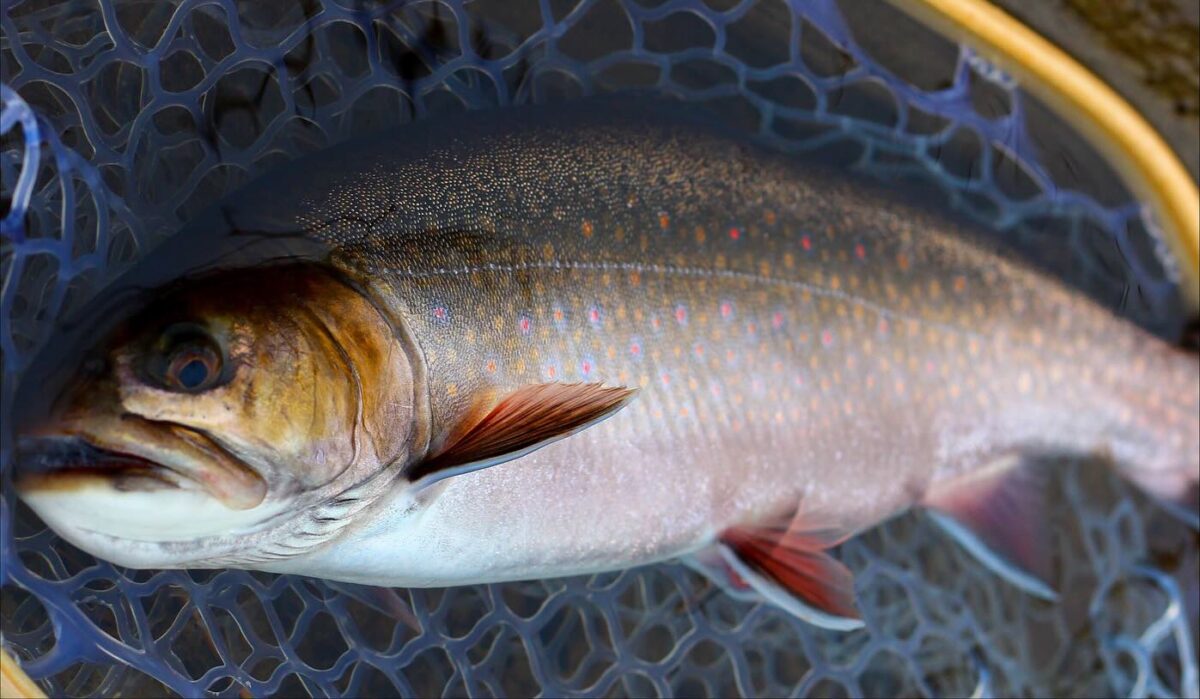
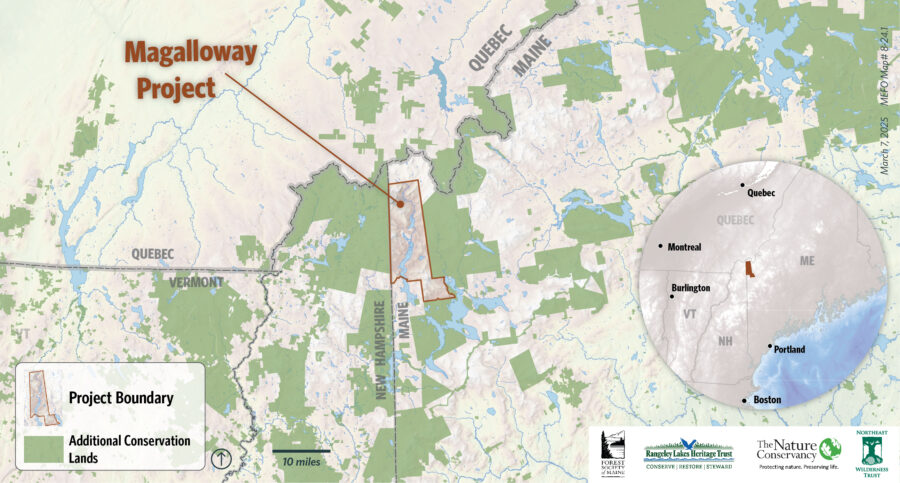
Dependent on cold, clear, well oxygenated waters, brookies [brook trout] are considered an indicator of healthy habitat—the kind still found in northwest Maine’s Rangeley Lakes Region.” – Tom Richardson, Explore New England producer and host.
Magalloway Project, One of Five Recipients of NFWF Funding Through Acres for America
December 15, 2025
The National Fish and Wildlife Foundation (NFWF) Announces $3.6 Million in Grants from Walmart’s Acres for America Program
The Magalloway lands and waters conservation effort is another step closer to completion with a recent grant award. The National Fish and Wildlife Foundation (NFWF) announced the award of $3.6 million in grants through Acres for America, a land conservation partnership with Walmart, to permanently protect more than 145,000 acres of wildlife habitat across five states.
For more than two decades, the Acres for America program has exemplified the power of public-private partnerships to conserve large landscapes, support wildlife populations and open new areas for public recreation. The five projects announced today will safeguard nationally significant wildlife habitat and increase public access to the outdoors, delivering lasting benefits to local communities and economies.
Projects funded through this year’s investment include:
In Florida, Alachua Conservation Trust will conserve a 4,636-acre tract that connects more than 87,000 acres of previously protected and publicly accessible land within the Lochloosa Wildlife Corridor. The project will safeguard habitat for black bear, gopher tortoise, eastern indigo snake and other key Florida wildlife; expand opportunities for public recreation; and allow for expansion of longleaf pine habitat across the landscape.
In Maine, the Forest Society of Maine, Northeast Wilderness Trust, Rangeley Lakes Heritage Trust and The Nature Conservancy in Maine will conserve 78,000 acres of forestland containing a nationally important watershed for brook trout and a landscape of various wildlife habitats, vital bird migration routes, productive timberlands and recreational opportunities for the public.
In Michigan, The Nature Conservancy, along with the Little Traverse Conservancy, will assist the Michigan Department of Natural Resources to conserve an 8,850-acre property that is one of the last remaining large intact, privately owned forests tracts in Michigan’s Lower Peninsula. The project will ensure the tract will be properly managed for sustainable timber, wildlife habitat for deer and upland game bird species, fish habitats and public recreational areas.
In North Carolina, Foothills Conservancy of North Carolina will conserve 12,000 acres of mountainous forestland at the junction of the Blue Ridge Mountains and South Mountains of Western North Carolina. The project will acquire land for public ownership, guaranteeing public access, habitat management and preservation, and water quality protection.
In 2024, the Maine Climate Council released the first major update to Maine Won’t Wait since the state’s climate action plan launched in 2020. Thanks to the plan’s early ambition, Maine has been able to tap into historic federal climate investments—accelerating progress in cutting greenhouse gas emissions, creating new green jobs, and strengthening communities against climate impacts.
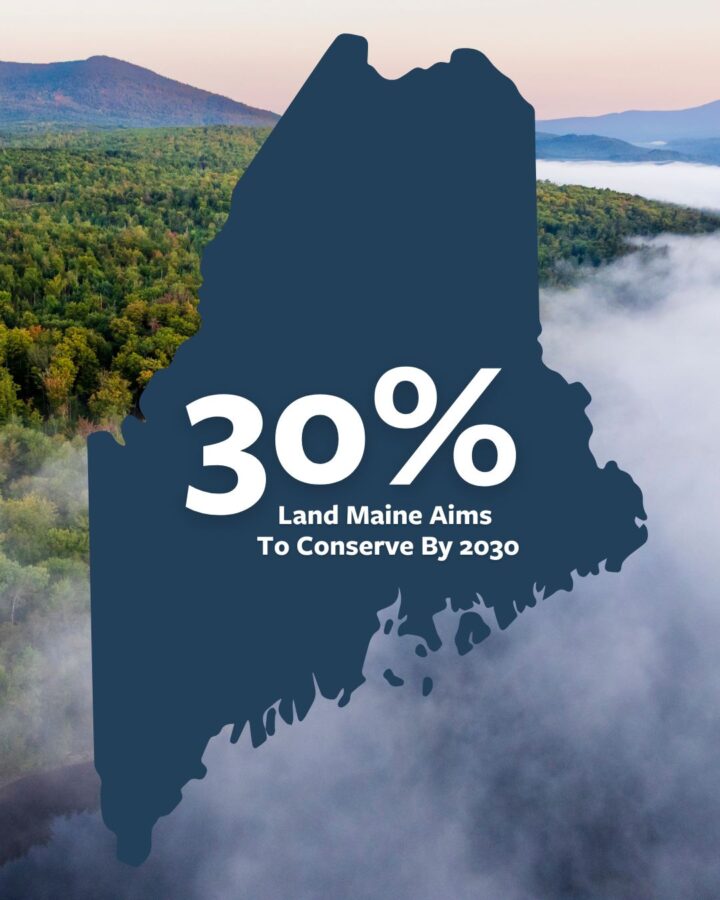
22.5% of Maine’s land is already conserved. The goal: 30% by 2030.
Did you know? According to the updated report, 22.5% of Maine’s natural and working lands are already conserved—bringing the state within striking distance of its bold goal to protect 30% by 2030. To help reach that milestone, Maine has several large land conservation projects in the pipeline, including the Magalloway. At 78,000 acres, the Magalloway conservation effort will play a huge part in helping Maine fast-track to the 30% goal.
Four conservation organizations—The Nature Conservancy in Maine, Forest Society of Maine, Rangeley Lakes Heritage Trust, and Northeast Wilderness Trust—are partnering to raise funds to conserve 78,000 acres of forests, rivers, and wildlife habitat in the upper Magalloway region of western Maine. These efforts safeguard critical landscapes, support biodiversity, and strengthen Maine’s climate resilience.
About the Maine Climate Council, Governor’s Office of Policy Innovation and Future
On June 26, 2019, Governor Janet Mills and Legislature created the Maine Climate Council, an assembly of scientists, industry leaders, bipartisan local and state officials, and engaged citizens to develop a four-year plan to address the impacts of climate change on Maine, build resiliency to climate effects, and meet state statutory targets to reduce greenhouse gas emissions.
What if there was a large landscape in northern New England where animals could migrate in a warming climate? Where development was prohibited but sustainable forestry was still allowed? Where outdoor recreation could continue alongside land set aside for wilderness? That’s the goal of the Magalloway Conservation Initiative.
In the Rangeley Lakes region of western Maine, an ambitious effort is underway to conserve tens of thousands of acres in historic Wabanaki territory. For centuries, these have been prized hunting and fishing grounds, home to bear, lynx, deer and moose and one of the last strongholds of native brook trout in the country.
The woods bathed in moss on the Magalloway project lands.
But with a recent construction boom, forest fragmentation and rising temperatures, woods and wildlife are under threat. The Magalloway Conservation Initiative aims to safeguard both while also protecting public access to the region.
In mid-October, angler and fishing guide Alex Caisse navigates his pickup truck along logging roads in the woods of remote western Maine, not far from the northern New Hampshire border. He’s showing off highlights of the Magalloway project, nearly 80,000 acres of woods and waters that four organizations — The Nature Conservancy, Rangeley Lakes Heritage Trust, Forest Society of Maine and Northeast Wilderness Trust — are working together to conserve.
“The area really speaks for itself,” Caisse says, setting off toward Aziscohos Lake. “It’s something that’s uniquely special in the way that it looks and the way that it feels.”
It’s moose hunting season. The leaves have turned orange and gold but Caisse still has fishing on his mind. For two decades he worked in the restaurant business and then, about 13 years ago, he became a fishing guide. He moved to Rangeley in part, he says, because of the cold, swift-moving waters of the Magalloway River. That’s how much he loves this place and why he’s passionate about keeping it intact.
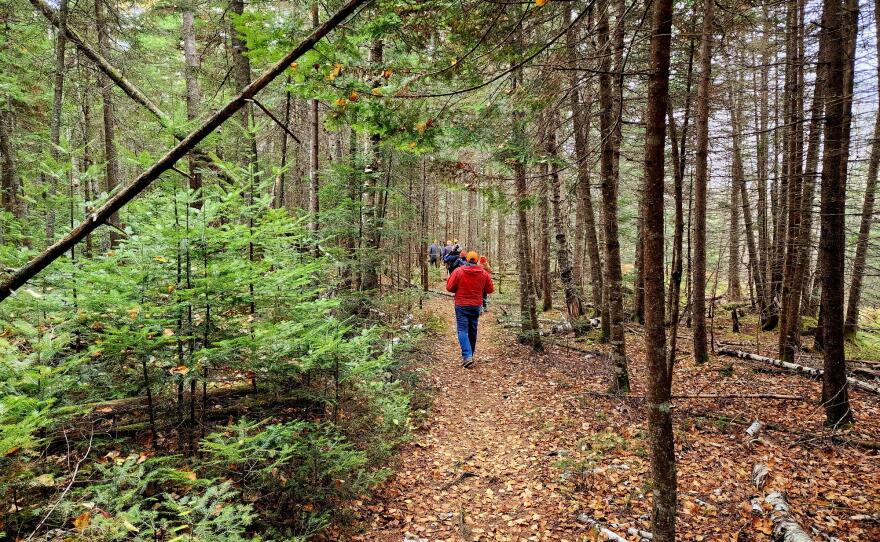
Getting out of the truck, he takes a short walk through some dense woods to the edge of the upper Magalloway. It’s quiet and remote, one of Caisse’s favorite spots.
“When you come here, you lose sight of all the other things that are going on in the world and you focus more on the moment,” Caisse says. “You don’t focus on tomorrow. You don’t focus on yesterday. And so oftentimes, I think it is like church out here because it’s just so peaceful.”
A wooded trail leads to the Upper Magalloway River.
The groups have until the end of May 2026 to raise $62 million to conserve the property. Right now, they’re a little over halfway to the goal. But if they’re successful, they’ll have secured the final parcel on a remote and wild landscape of more than half a million connected acres that have previously been conserved.
Read the full post and listen to the Maine Public radio story.
Inside the Magalloway Project: 78,000 Acres of Maine Land and Water
November 19, 2025
Repost from All Points Fly Shop + Outfitter
Written by Josh Thelin
I recently attended a webinar that discussed a new and ongoing conservation collaboration between The Nature Conservancy in Maine(TNC), Forest Society of Maine (FSM), Rangeley Lakes Heritage Trust (RLHT), and Northeast Wilderness Trust (NEWT). What drew me to learn more was not only understanding the importance of this area, but also the project’s historic size and effort. The Magalloway Project is an effort to conserve some of the most ecologically and environmentally important land in Maine. Not only that, but when conserved, it will connect roughly 500,000 acres of contiguous conserved land, a historic accomplishment for the region.
The project itself contains 78,000 acres in western Maine’s Rangeley Region. This includes 170 miltes of rivers and streams and over 2,400 acres of wetlands and lakes. If successful, it will permanently project this area. For us fly anglers in Maine, especially those of us that love to fish for native/wild brook trout and landlocked salmon, the Magalloway watershed is one of the last water systems in the country that is capable of sustaining these populations of fish with future climate issues in mind.
Magalloway Partners Take Flight To Protect Lands in Northwestern Maine
November 6, 2025
From LightHawk’s Conservation FLYer Featured Mission – October 2025
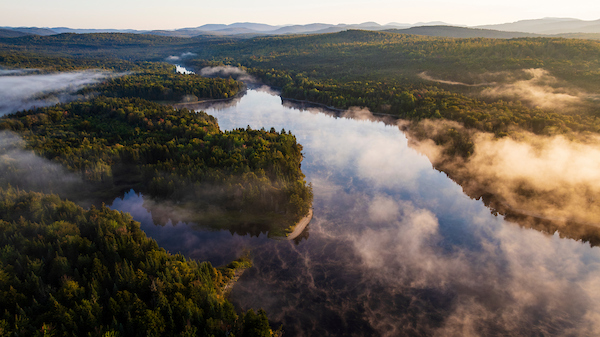
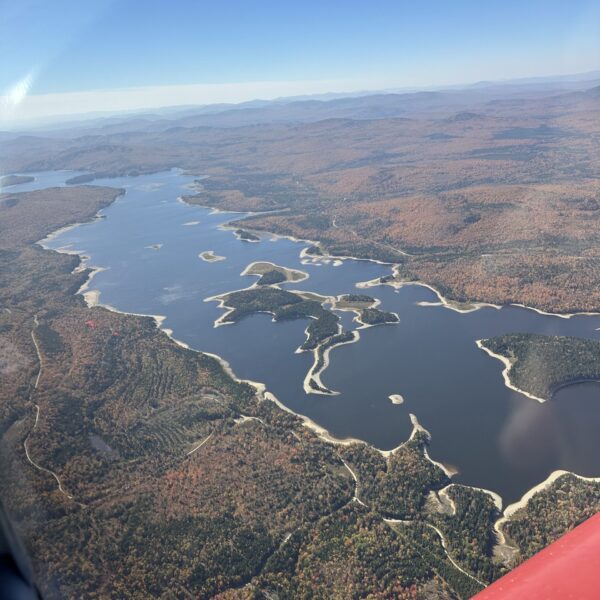
Flying above the forests of northwestern Maine in the fall provides a glorious view of the landscape, painted in the reds, yellows and oranges of Autumn. From the air, the aerial perspective captures not just the beauty and majesty of these lands, but why they matter – illustrating the importance of preserving them for future generations. In addition to their beauty, the Magalloway lands offer countless recreational opportunities while providing critical forested buffers around rivers, lakes and streams.
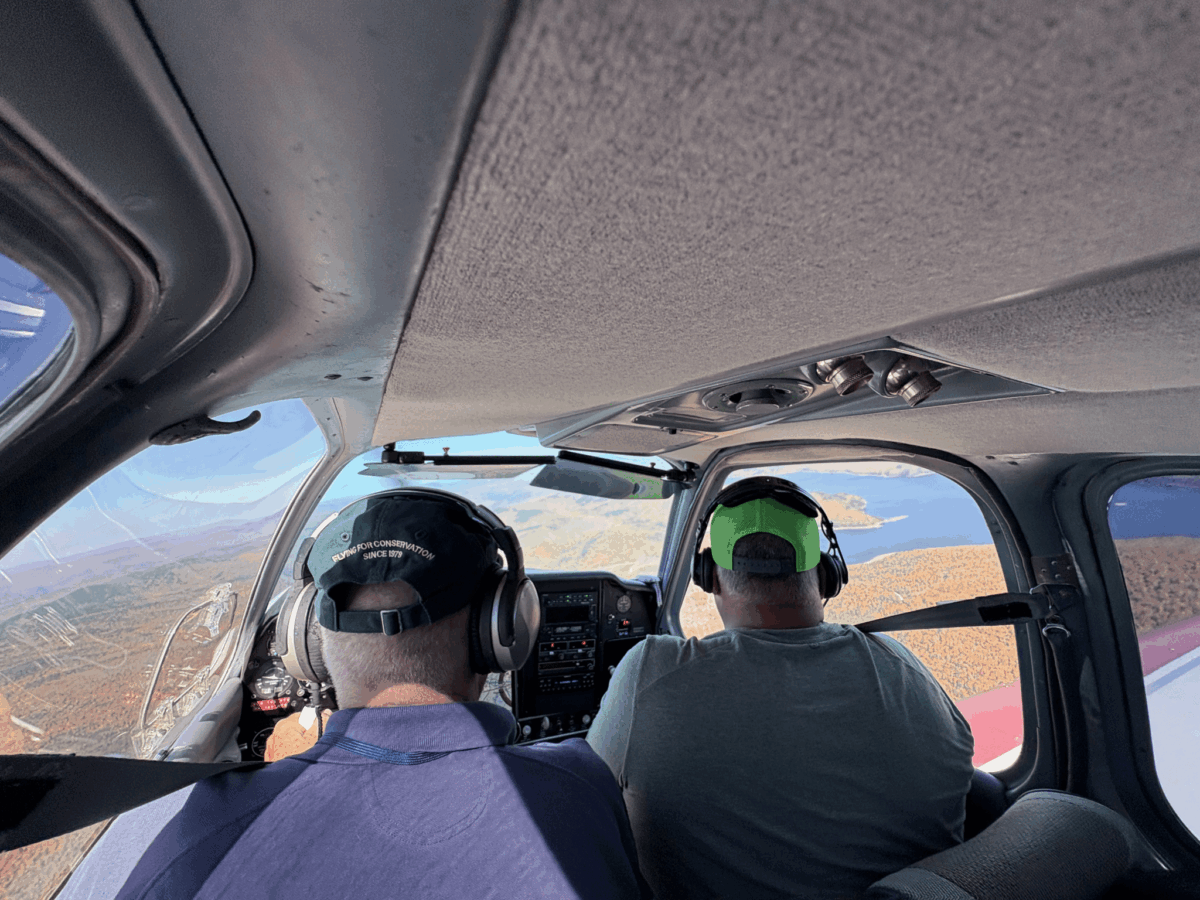
Volunteer pilot Scott Cianchette took passengers on a two-hour flight above northwestern Maine’s forests to capture stunning imagery that will educate and inspire potential donors about the importance of protecting these lands. From above, the group toured the entire project area, and experienced firsthand the vastness and connectivity of the landscape.
The flight took passengers along the shores of Aziscohos Lake in Northwestern Maine. Photo by Jake Metzler.The flight revealed the beauty of the forests decorated in fall colors. Photo by Jake Metzler.
After the flight, The Nature Conservancy’s Abigail King shared her appreciation, “Thank you for this opportunity! It was very useful for me to be at this altitude in order to truly understand the landscape context and scale of our conservation project.”
Learn more and see more aerial photos of the Magalloway on LightHawk’s Featured Mission post.
More About LightHawk
Mission
LightHawk is dedicated to accelerating conservation success through the powerful perspective of flight. Learn more about conservation aviation and LightHawk’s work.